
Client Overview
In December 2025, an established pharmaceutical manufacturing site in Mexico City engaged the support of SRL Pharma Ltd to address ongoing aseptic performance concerns. The site focuses on sterile ophthalmic products, with capabilities spanning formulation, aseptic filling, and packaging for both domestic supply and regional export markets. With a long operating history, it plays a key role in the supply of sterile eye care products.
The Challenge
The site experienced repeated aseptic process simulation (media fill) failures, with multiple runs showing microbial growth after the 14-day incubation period. This pattern of failure demonstrated that the current aseptic controls were not capable of consistently maintaining sterile conditions. Although investigations had been performed, the continued recurrence indicated that the true sources of contamination had not been adequately identified or addressed. As a result, there was limited confidence in the existing root cause analysis and the effectiveness of the associated corrective actions. Before proceeding with another media fill, the organization required an independent, technically robust assessment to identify the actual drivers of contamination risk and to ensure that any corrective measures would be sufficient to establish a controlled and repeatable aseptic process.
Risks and Potential Impact
If the underlying issues were not effectively addressed, the site faced several critical risks:
- Ongoing media fill failures resulting in repeated disruption to manufacturing operations.
- Loss of assurance in the sterility of the process, creating a direct risk to product quality and patient safety.
- Significant regulatory risk, with clear exposure across Annex 1 compliance, environmental monitoring, and operator aseptic practices.
- Inability to reliably supply sterile ophthalmic products, leading to sustained supply pressure.
- Escalating corporate concern regarding the viability of the site to continue aseptic manufacturing operations.
The Approach
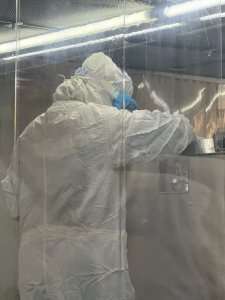
A structured, risk-focused sterility assurance assessment was conducted over a four-day period, with a strong emphasis on direct observation of aseptic operations.
Key areas of focus included:
- Operator behavior and aseptic technique
- First pass air protection and airflow integrity
- Intervention practices and line clearance activities
- Gowning systems and personnel flow
- Material and component transfer
- Environmental monitoring design and placement
- Equipment suitability and layout
- Operational oversight and supervision
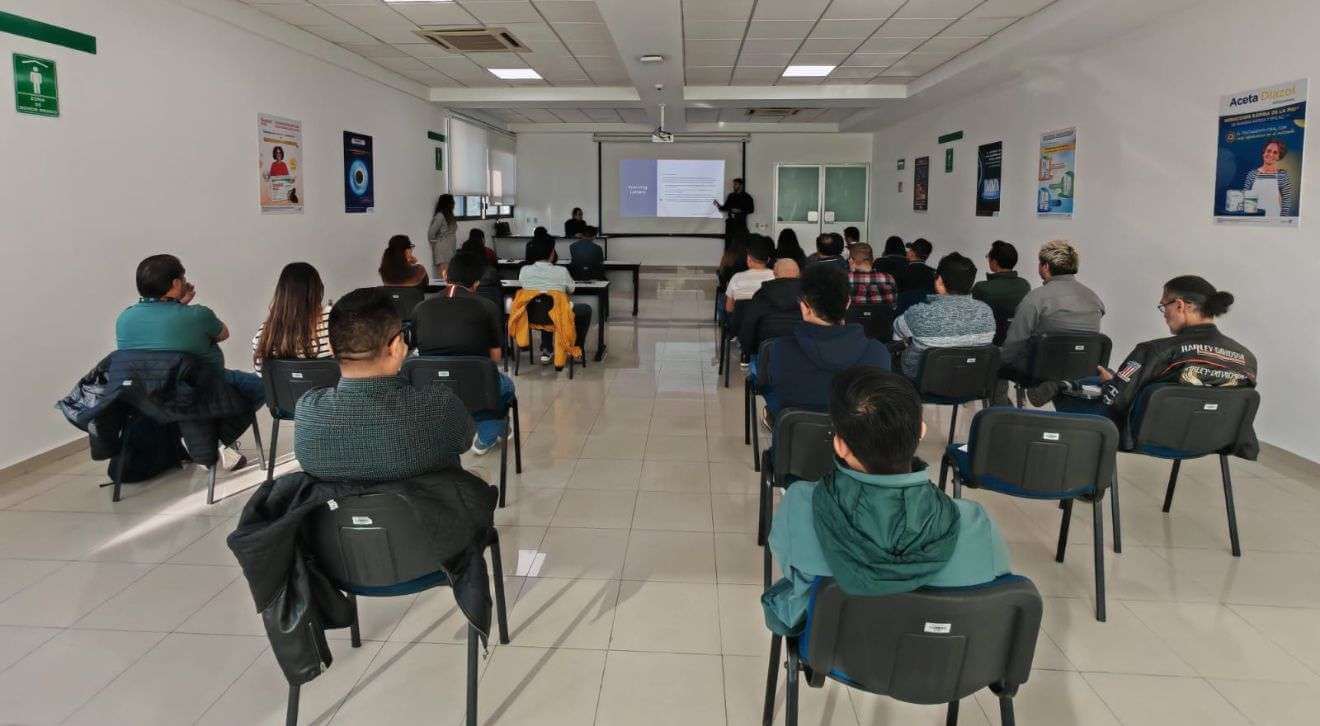
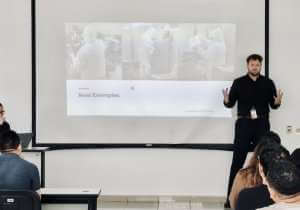
Following two days of intensive shop-floor observation, a cross-functional training and feedback session was delivered to manufacturing, engineering, QC, and QA teams. This session provided a clear, evidence-based explanation of the risks observed, directly mapped to regulatory expectations, supported by practical examples and visual training material.
A targeted set of short-term risk mitigations and longer-term remediation actions was then developed, focused on achievable improvements rather than theoretical best practice.
Outcome
The client gained a clear, objective understanding of the factors contributing to media fill failure risk, including specific behavioral, procedural, and equipment-related gaps.
The assessment delivered:
- A structured, prioritized remediation roadmap
- Improved alignment between site and corporate quality teams
- Clear justification for decisions related to: ○ Equipment suitability
- Training and behavioral controls
- Contamination control strategy enhancements
- Increased confidence ahead of repeating the media fill
The findings enabled informed, risk-based decision-making and helped stabilize sterility assurance expectations across the organization.
Key Insights
A critical takeaway from the project was that the media fill failures were driven by multiple interconnected weaknesses, rather than a single root cause.
Operator behavior, environmental monitoring design, and equipment limitations were tightly linked, and improvements in one area alone would not have been sufficient. The project reinforced the importance of real-time observation in understanding true aseptic risk and highlighted that effective contamination control relies as much on culture, oversight, and behavior as it does on procedures and technology.